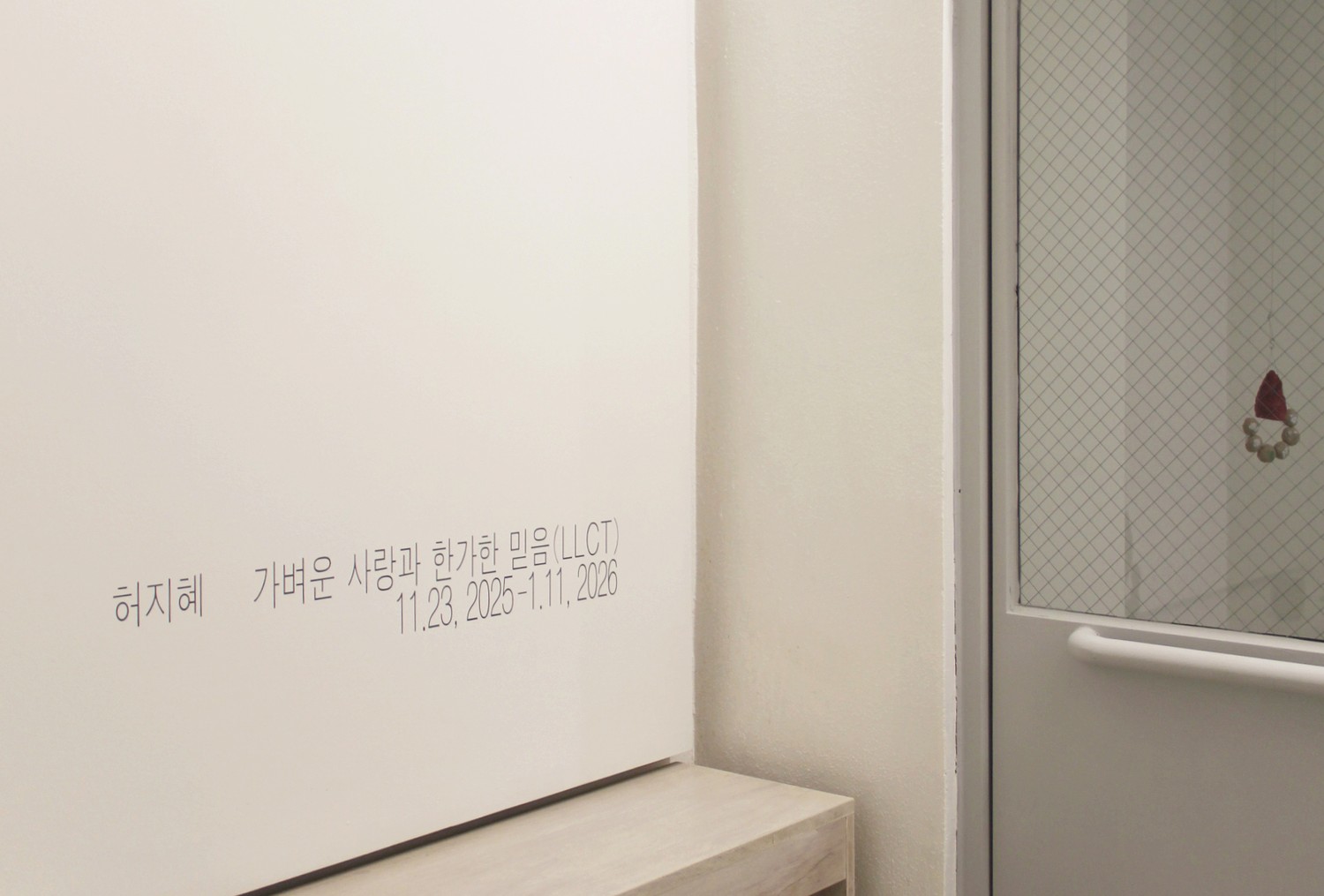
installation view
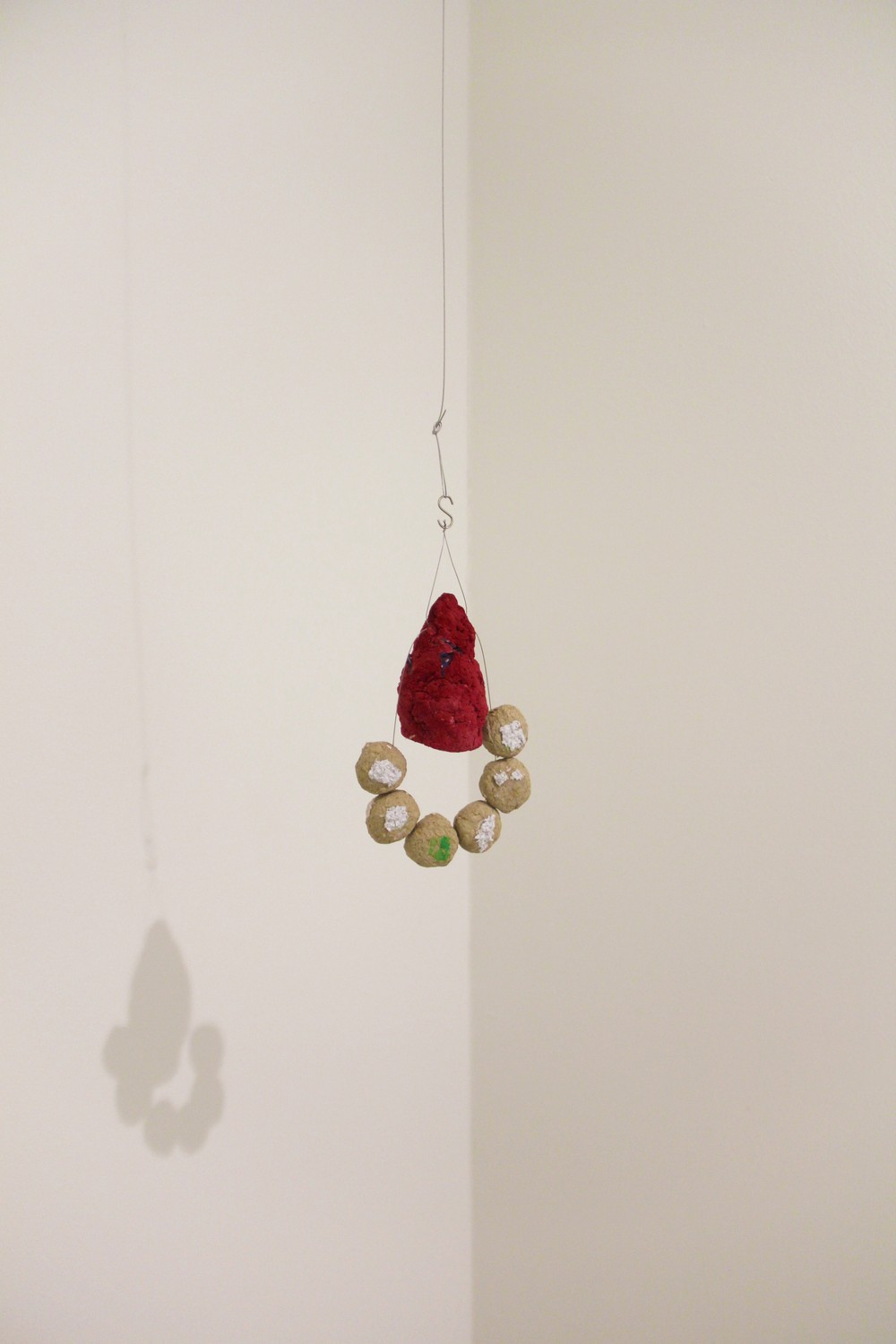
installation view
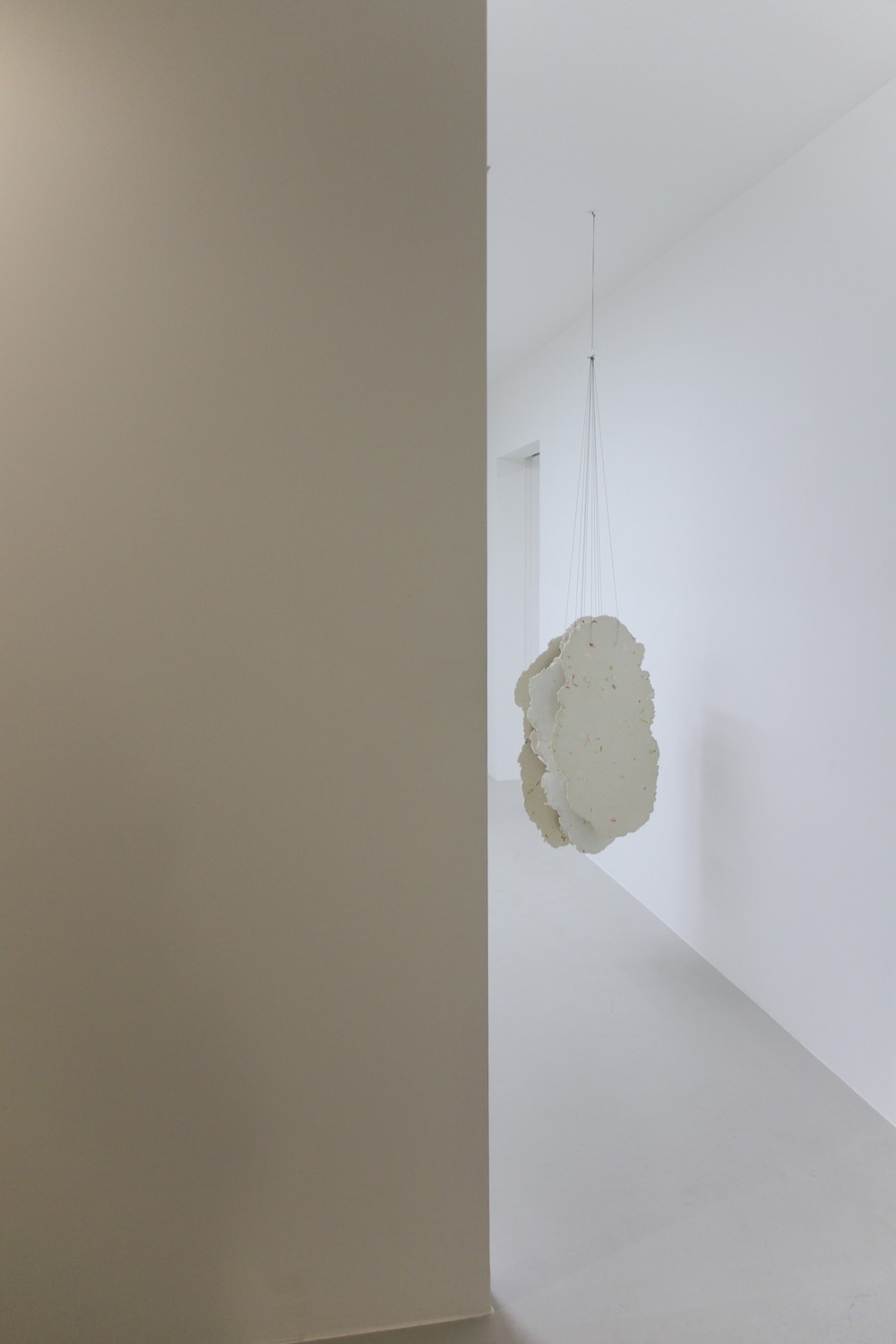
installation view
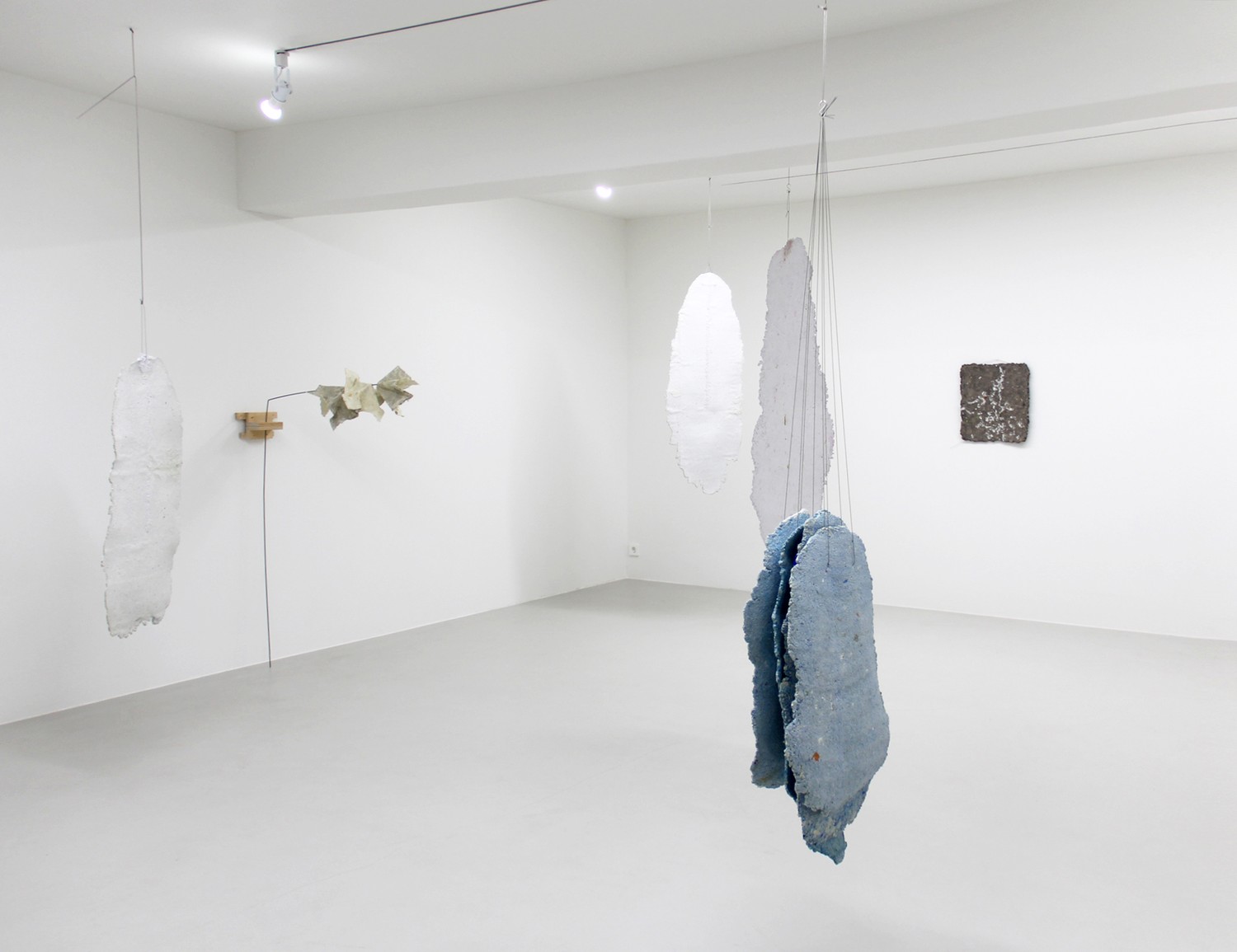
installation view
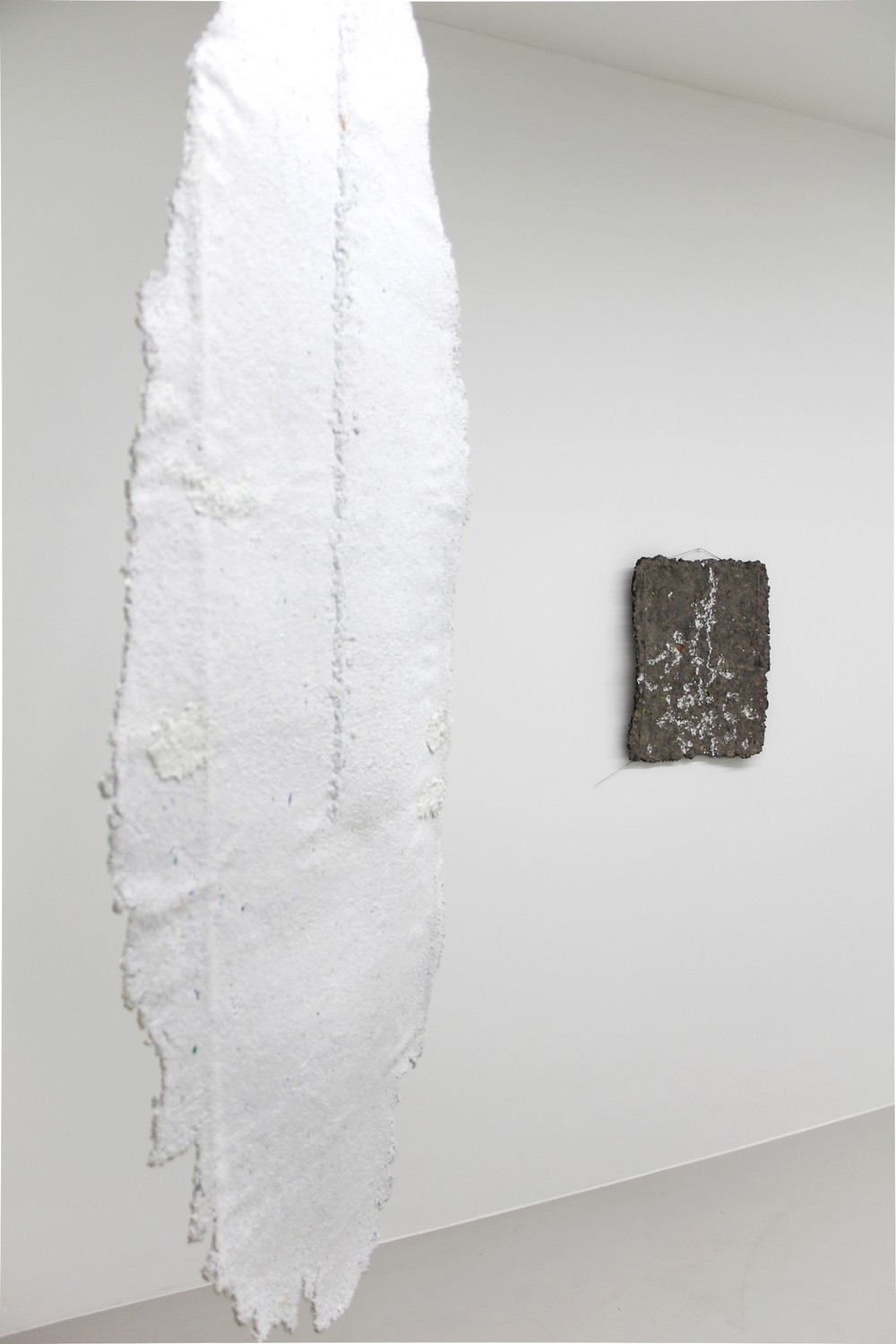
installation view
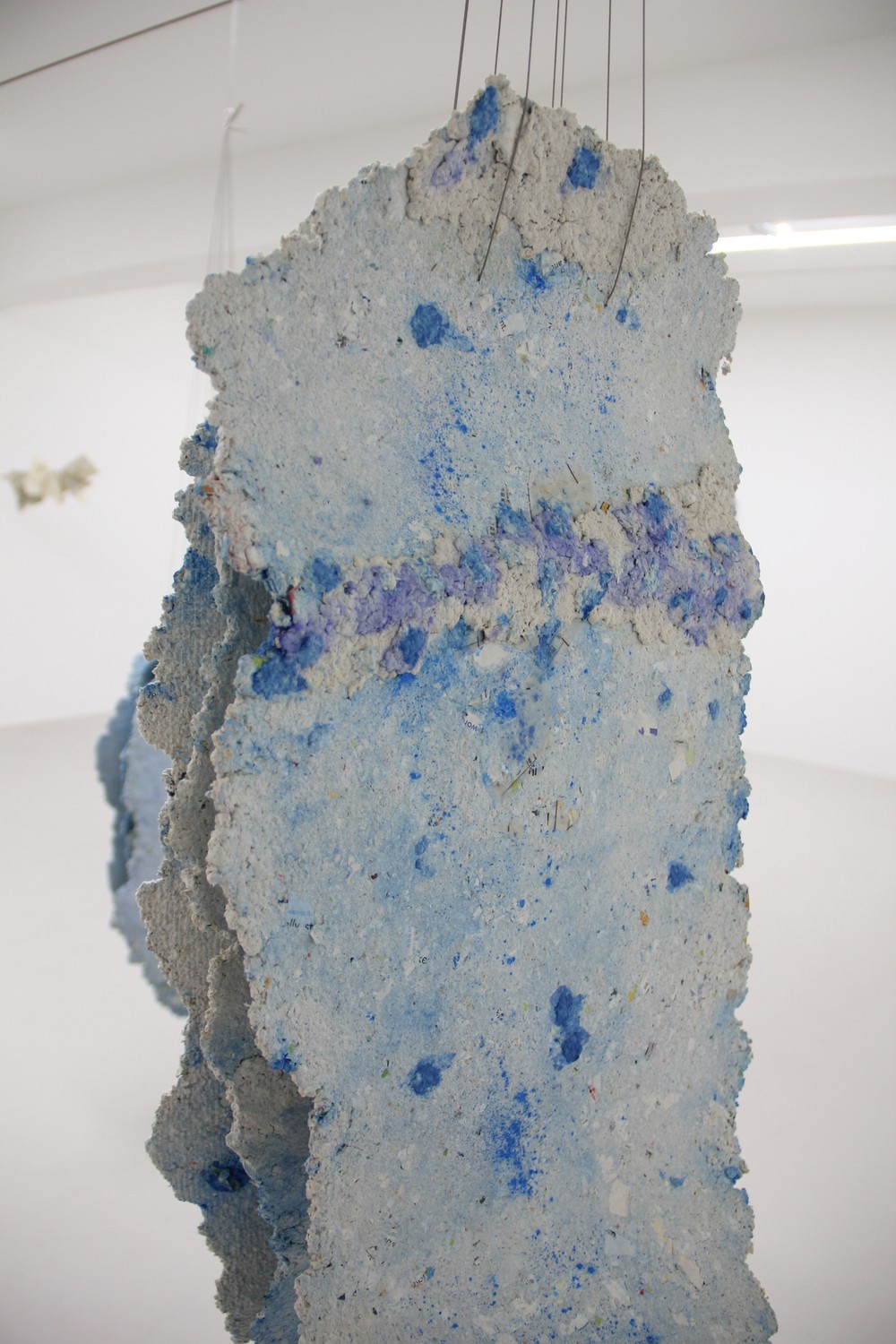
installation view
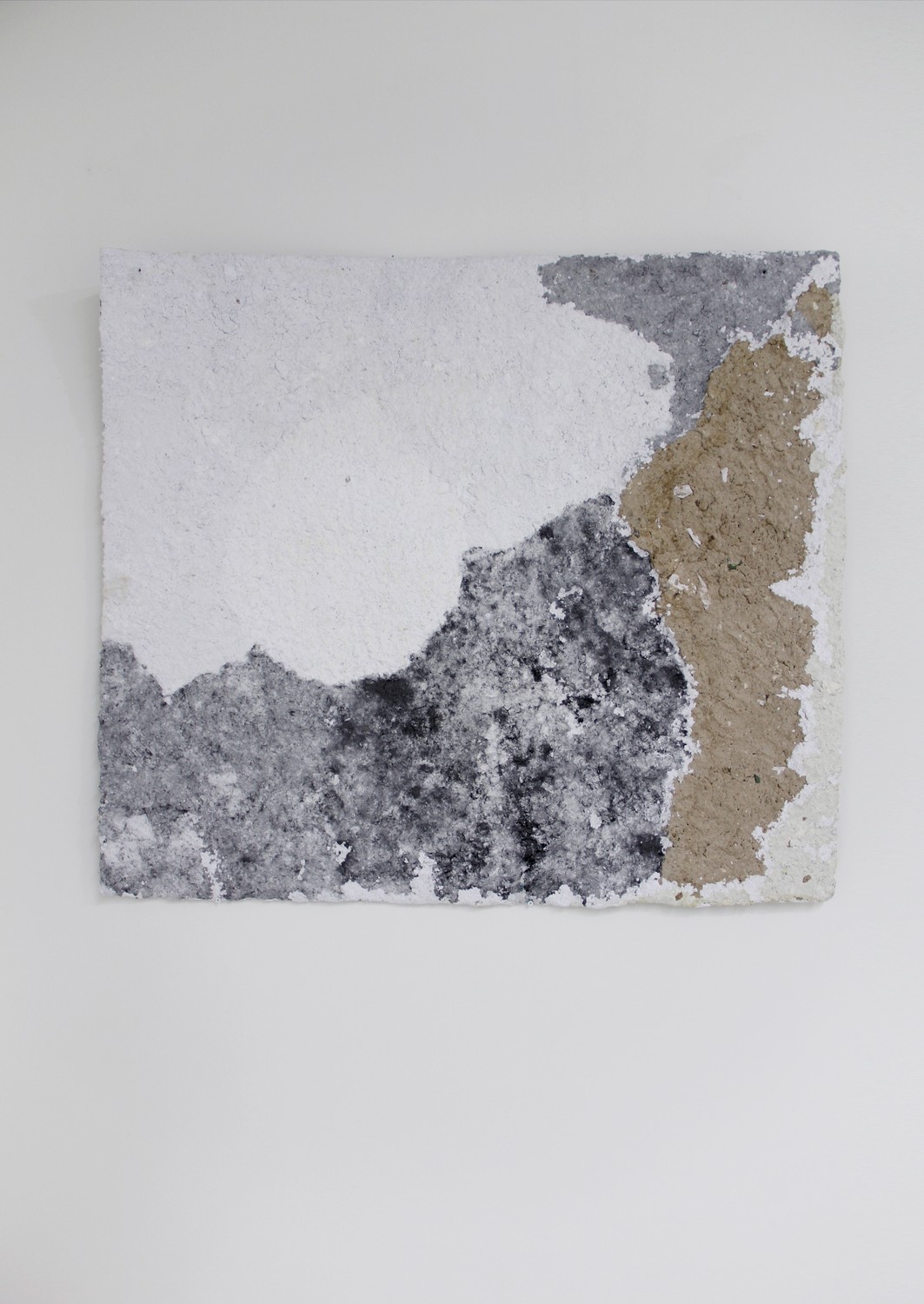
L.L.C.T.(7), 2025, Re-claimed paper, starch, graphite, and steel wire mesh
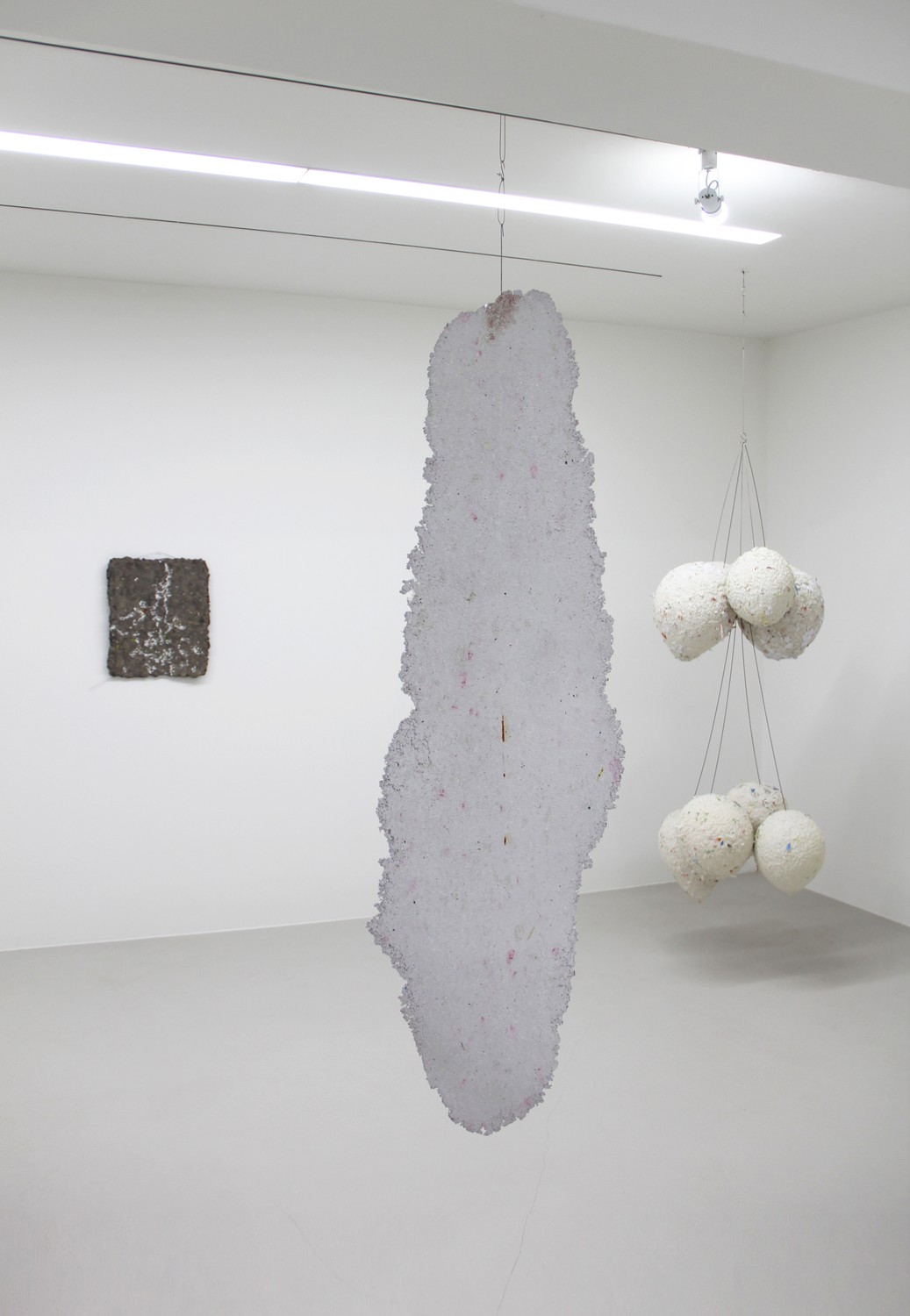
installation view
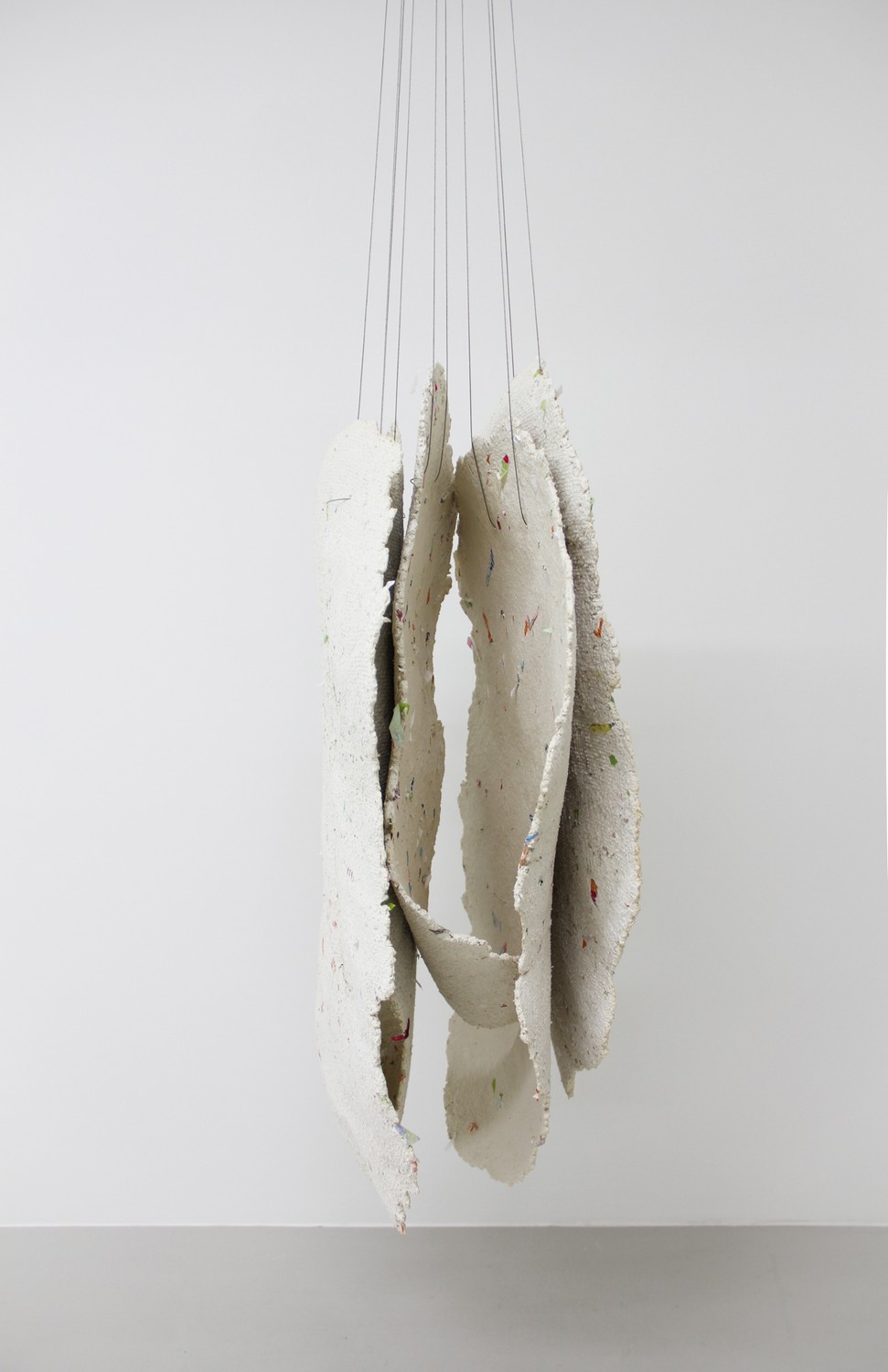
installation view
CDMX, 2025, field recording
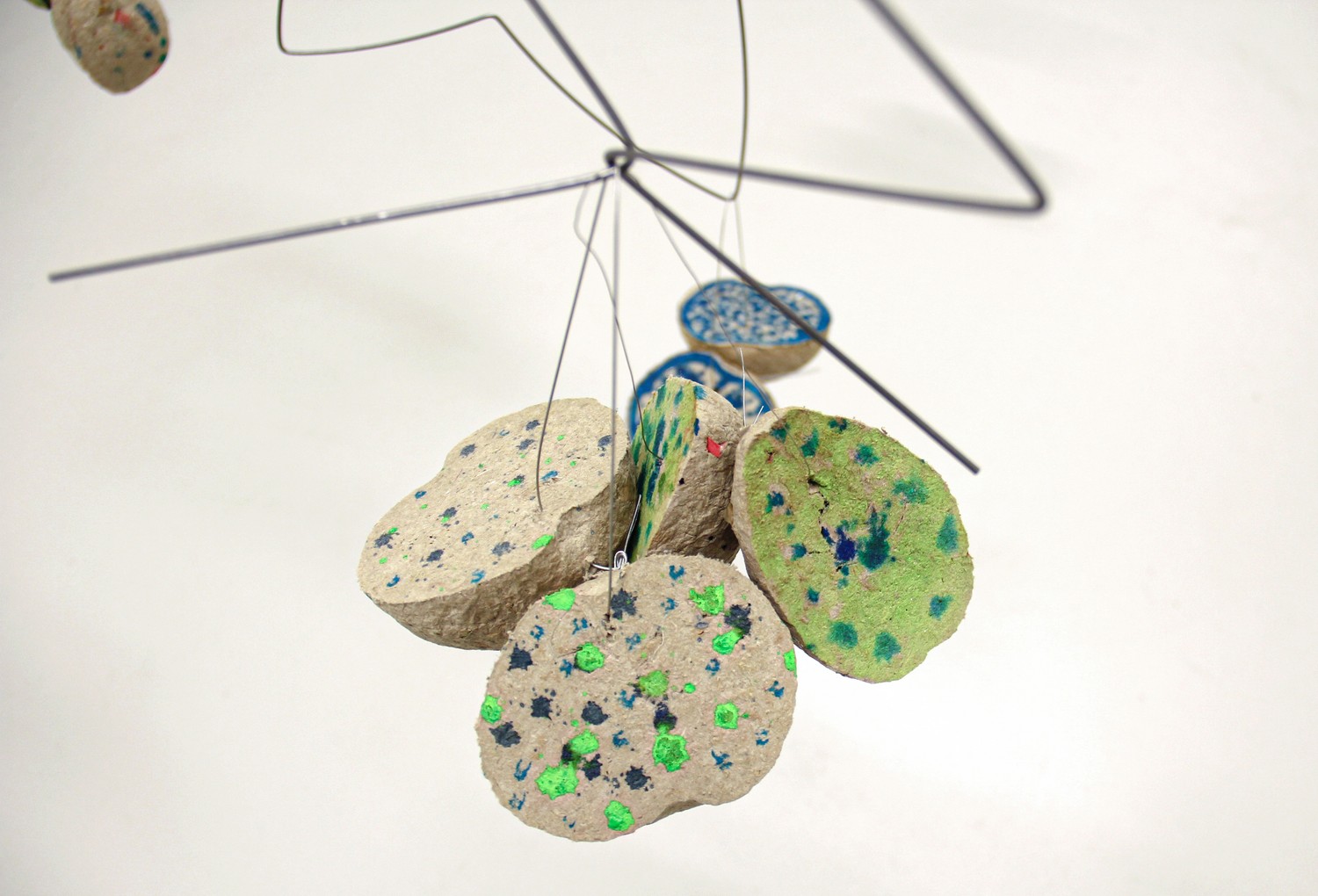
installation view
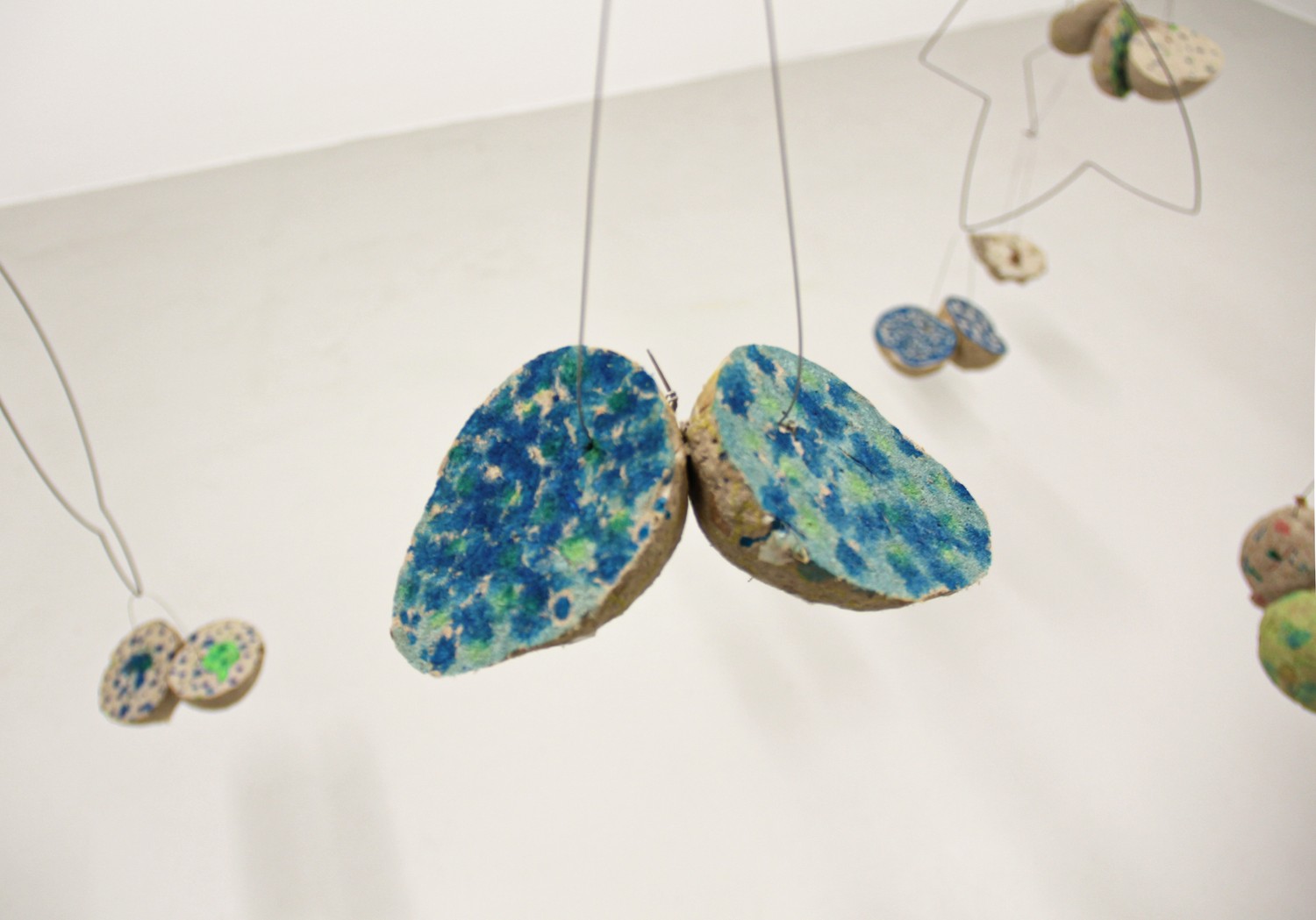
installation view
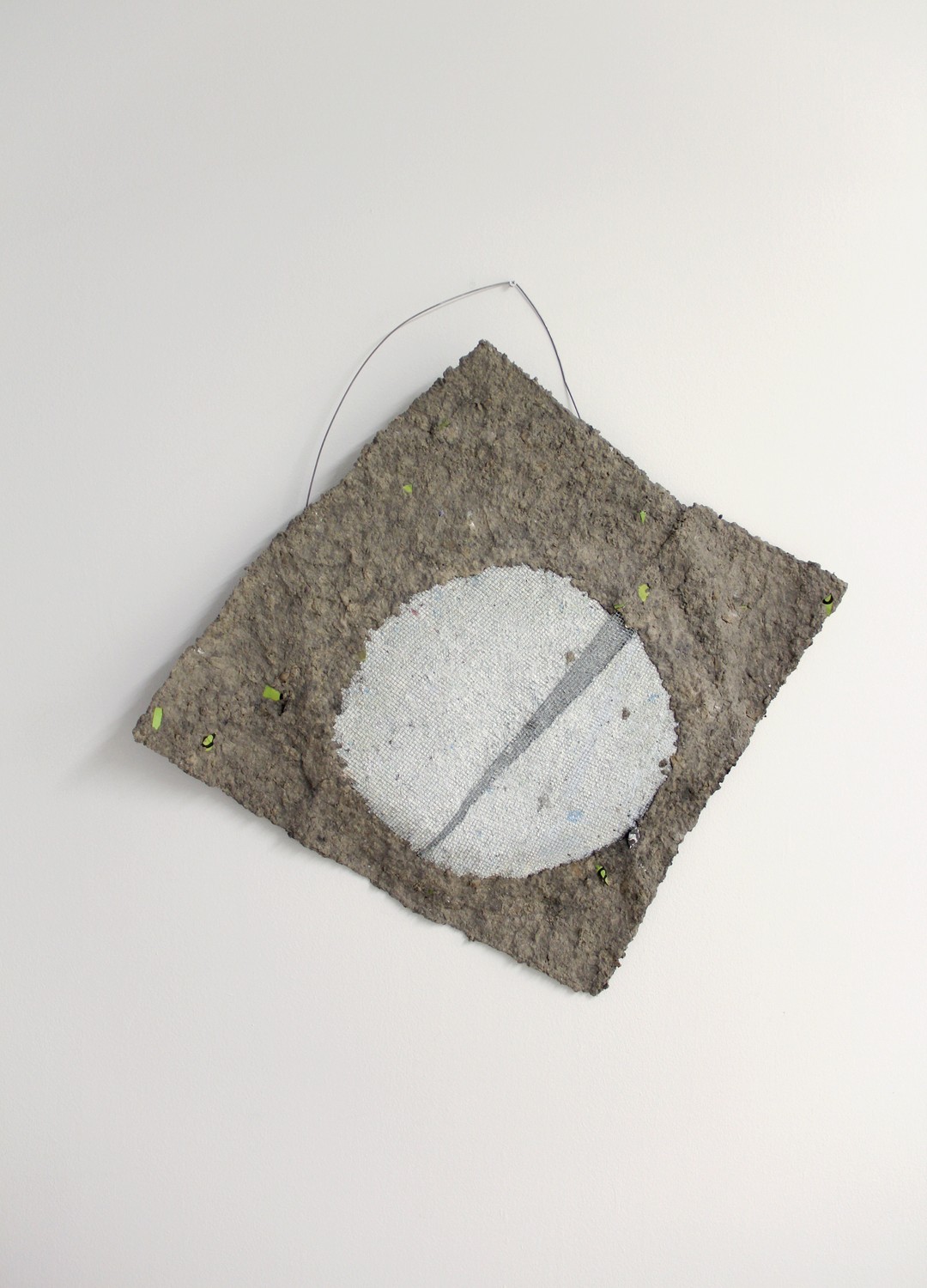
L.L.C.T.(6), 2025, Re-claimed paper, starch, graphite, and steel wire
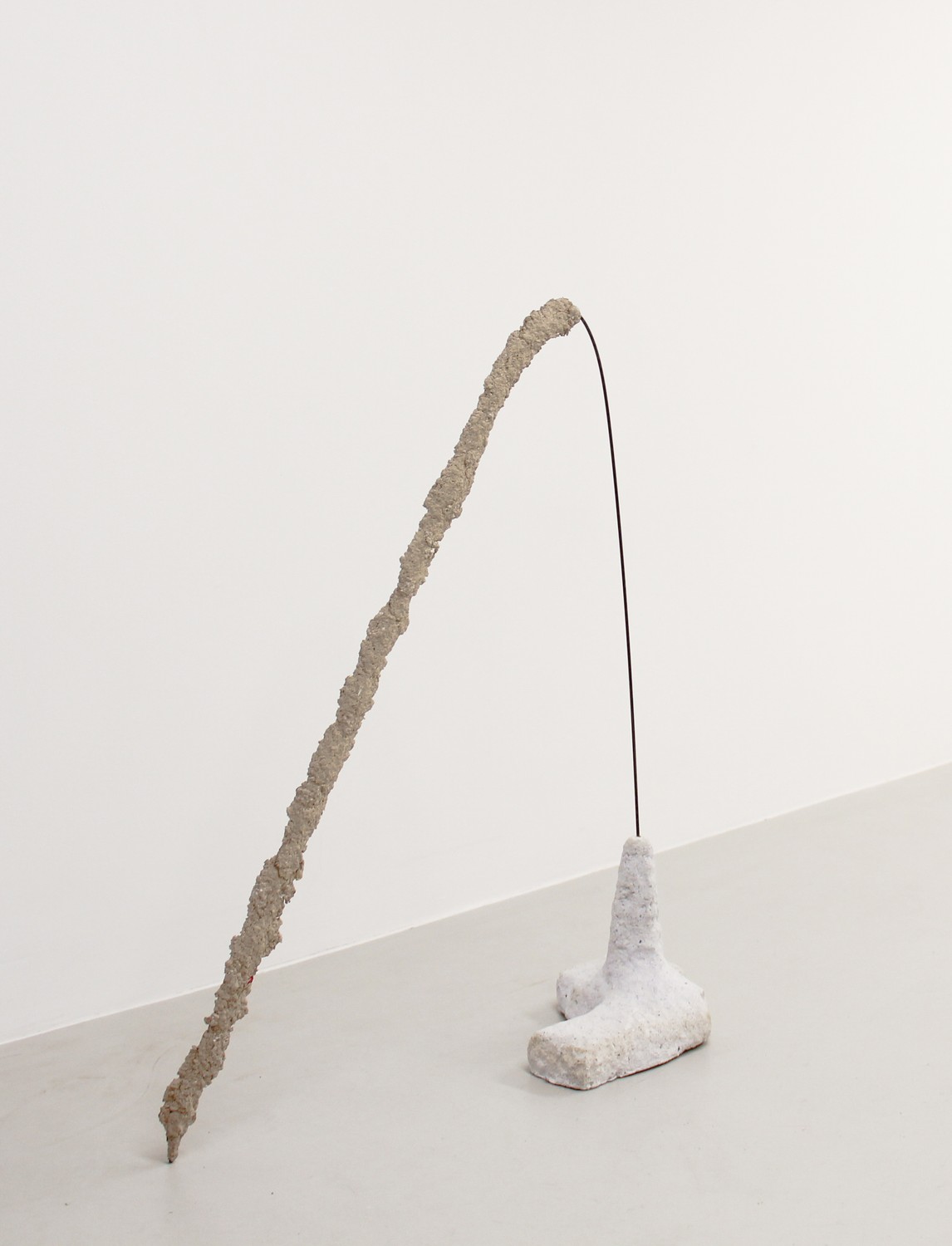
installation view
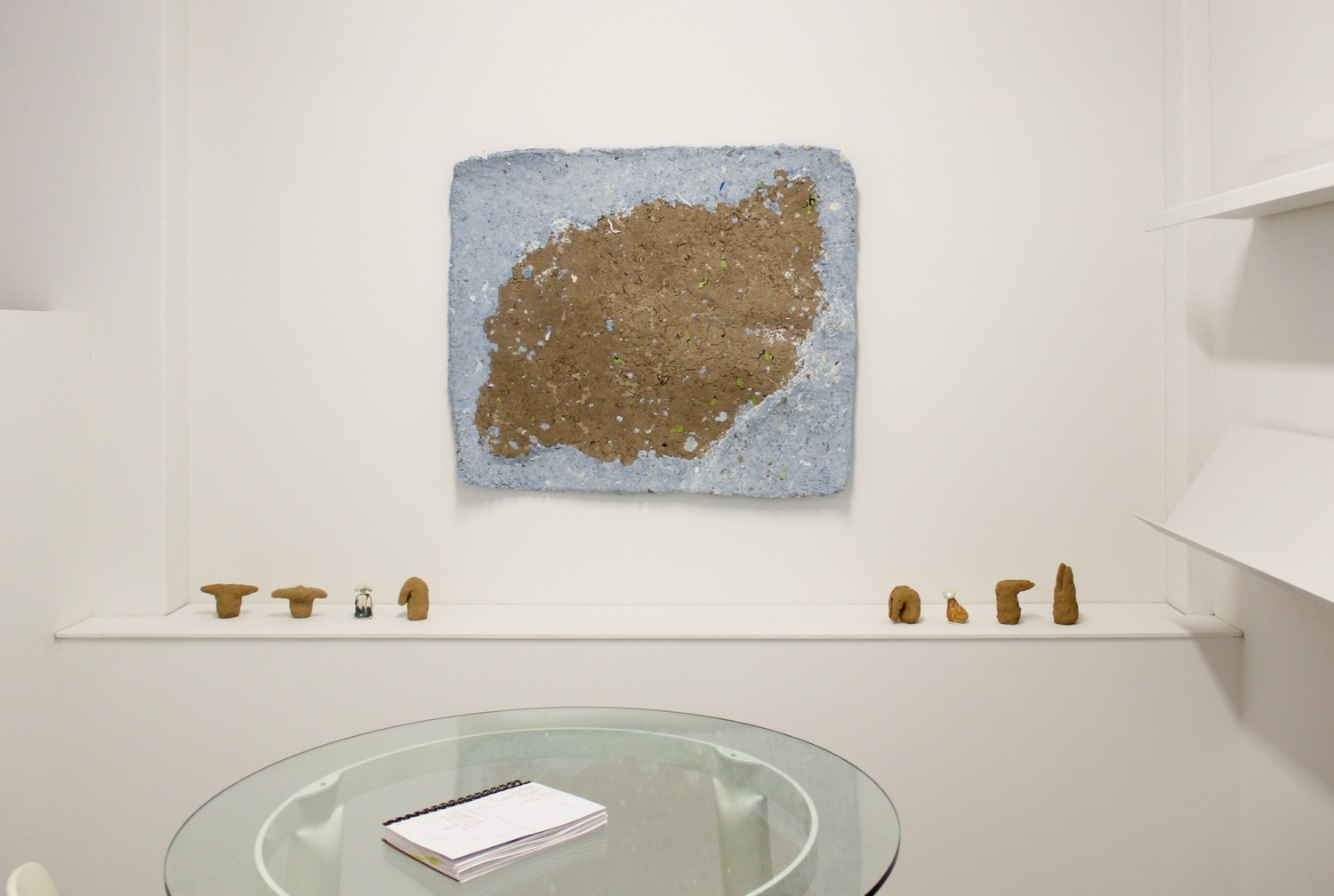
installation view
‘알떼에고'에서 두 번째 개인전을 갖는 허지혜 작가는 다양한 재료의 물성들을 이용한 오브제와 평면 작업, 소리 작업 등을 아우르는 설치 및 조형 작업을 한다. 섬세한 미감과 조형력을 지닌 그의 능숙하고도 부지런한 ‘손’이 만들어내는 작업들은 순수한 에너지를 품은 형태와 질감들이 유기적으로 어우러져 유희적이면서도 시적인 여백이 공간 안에 흐르게 한다. 그가 선택하는 재료들은 주변에서 흔히 볼 수 있는 일상적이며 친숙한 것들이다. 버려진 폐지 더미로 직접 만든 종이죽과 철사줄, 흙과 나무 조각 등으로 여러 방법과 실험을 거쳐 작가만의 상상력과 내적 서사 안에서 완결을 이루며 고유한 외적 형식과 표현의 언어를 얻는다.
먼저 눈길을 끄는 것은 단연 낯선 형태들이다. 무엇을 형상화하고자 했는지 작가의 상상력에 잠시 골몰하게 되지만, 곧 그 형태를 구성하는 재료의 물성에 집중하게 된다. 그렇게 작가의 손놀림을 따라가다 보면, 마치 어린아이가 ‘무아’의 지경에 빠져 무언가를 만들 때 의식보다 앞서는 그저 ‘만듦’이라는 활동의 몰입이 주는 강한 에너지가 전달된다. 그러나 다시 전체를 바라보면, 길게 늘어진 와이어에 매달려있는 형태는 물성에서 발산되는 힘을 조율하며 고요하게 균형을 이루고 있고, 그 모습은 다분히 명상적이다. 작업에서 형태와 물성이 관계하는 방식, 또는 조화를 이뤄내는 내적 동기 같은 것에 대한 질문은 여전히 남는다. 이건 아마도 작가에게 직접 물어본다 한들 시원하게 해결되는 문제는 아닐 것이다. 그렇다고 해서 그런 질문들과 그 답을 구해보는 일이 전혀 쓸데없다고 할 수는 없다. 작업을 한다는 것은 우연의 감각과 경험들을 필연으로 통합해 가는 무수한 과정의 연속이고, 누군가의 작업을 본다는 것은 나의 한계 안에서 이런저런 추측과 가설들로 모래성을 쌓았다가 허무는 일의 반복일 것이다. 하지만 때로는 그것—누군가는 작업을 만들고 누군가는 그 작업을 보는 일—이 마치 거울처럼 ‘나’라는 캄캄한 우주를 비추어 탐색하고 가늠해 보는 일이 되기도 하지 않겠는가.
(ENG)
Jiieh Hur, who presents her second solo exhibition at alter.ego, works across installation and sculptural practices encompassing objects, two-dimensional works, and sound. Drawing upon the material qualities of diverse media, she composes environments in which form and texture—charged with a kind of pure energy—interweave organically, allowing playful yet poetic intervals to circulate through the space. The works are shaped by her dexterous and diligent hands, guided by a refined sensibility and an assured sense of form.
The materials she chooses are those we encounter most easily in everyday life—familiar, ordinary things often overlooked or discarded. Piles of abandoned paper become pulp through her own process; wire, soil, wood fragments, and other modest substances are tested through repeated trials and experiments. Within the artist’s imagination and inner narrative, these materials arrive at their own completion, eventually acquiring a distinct external form and a language of expression uniquely her own.
What first captures the eye is, unmistakably, the unfamiliarity of the forms. For a moment, one becomes absorbed in the question of what the artist might have intended to depict. Soon, however, attention shifts toward the physical properties of what the forms are made of. As one follows the motion of the artist’s hands through the work, a strong sense of energy emerges—akin to the intensity of a child wholly immersed in the act of making, entering a state of self-forgetfulness where “making” precedes intention.
And yet, when stepping back to take in the work as a whole, another quality reveals itself. Shapes suspended from long, extended wires quietly hold their balance, calibrating the forces radiating from the material itself. In this still equilibrium there is something deeply meditative. Questions remain: the way form and material relate within the work, or the inner motive that allows disparate substances to settle into harmony. Even if one were to ask the artist directly, such questions may not be resolved with any clear answer. Still, it would be wrong to say that pursuing them—and attempting to reach an answer—is meaningless.
To make work is to gather accidental sensations and experiences and integrate them into necessity through countless processes, again and again. To encounter someone else’s work is, within the limits of one’s own perception, to build and dismantle provisional conjectures—repeatedly. At times, this encounter—one person making, another person looking—becomes a way of reflecting upon the self: an opportunity to register, examine, and recalibrate one’s own inner coordinates.